
Non-Surgical Pelvic Floor Treatment: How It Works and Who It Helps
Bladder leaks can feel frustrating, inconvenient, and sometimes even embarrassing. You might notice it when you laugh, cough, exercise, or suddenly feel urgency. Many people assume surgery is the only real solution. But that’s not always true. A non-surgical pelvic floor treatment offers a conservative way to strengthen the muscles responsible for bladder control without incisions or downtime.
Here’s what you need to know. In this guide, we’ll walk through how this approach works, who it may help, and what to expect from structured pelvic floor strengthening sessions.
If you’re curious about what therapy sessions actually involve, this overview of what pelvic floor sessions typically include provides a helpful breakdown of the process.
What Is Non-Surgical Pelvic Floor Treatment?
A non-surgical pelvic floor treatment focuses on restoring strength and coordination to the muscles that support your bladder, uterus, and rectum. These muscles form a supportive base inside your pelvis. When they weaken, symptoms such as stress incontinence or urgency can develop.
Weakness may occur due to:
Pregnancy and childbirth
Aging
Hormonal shifts
Repetitive high-impact activity
Prostate procedures in men
According to the National Institute of Diabetes and Digestive and Kidney Diseases (NIDDK), conservative therapies like pelvic floor muscle training are often recommended before surgery. This works because stronger muscles provide better structural support and help regulate bladder function.
How It Works to Strengthen the Pelvic Floor
You might be wondering how this type of therapy actually improves bladder control.
Traditional pelvic floor therapy often involves exercises such as Kegels. While helpful, many people struggle to activate the correct muscles consistently. Advanced pelvic floor strengthening methods use targeted stimulation to trigger deep, repeated muscle contractions.
These contractions are designed to:
Improve muscle tone
Enhance coordination
Increase support around the bladder
Reduce leakage episodes
The Mayo Clinic explains that strengthening pelvic muscles can significantly improve bladder control for many individuals.
The main difference between exercises alone and technology-assisted therapy is intensity. Assisted sessions can activate thousands of muscle contractions in a short period, which may enhance overall conditioning.
Who May Benefit From Pelvic Floor Strengthening?
Pelvic floor weakness affects both women and men. It’s more common after childbirth or with aging, but it can also occur due to physical strain or medical procedures.
You may benefit if you:
Leak urine when coughing or sneezing
Avoid workouts because of bladder concerns
Experience sudden urgency
Notice reduced pelvic support
Want alternatives to surgery for urinary incontinence
If symptoms are mild to moderate, conservative care is often the first step.
For additional insight into how this approach supports daily bladder function, this article discussing how advanced therapy can improve bladder support provides more context.
What to Expect From Structured Sessions
Uncertainty can prevent people from seeking help. So let’s make this simple.
Most sessions are:
Short, in-office visits
Fully clothed
Non-invasive
Followed by immediate return to normal activity
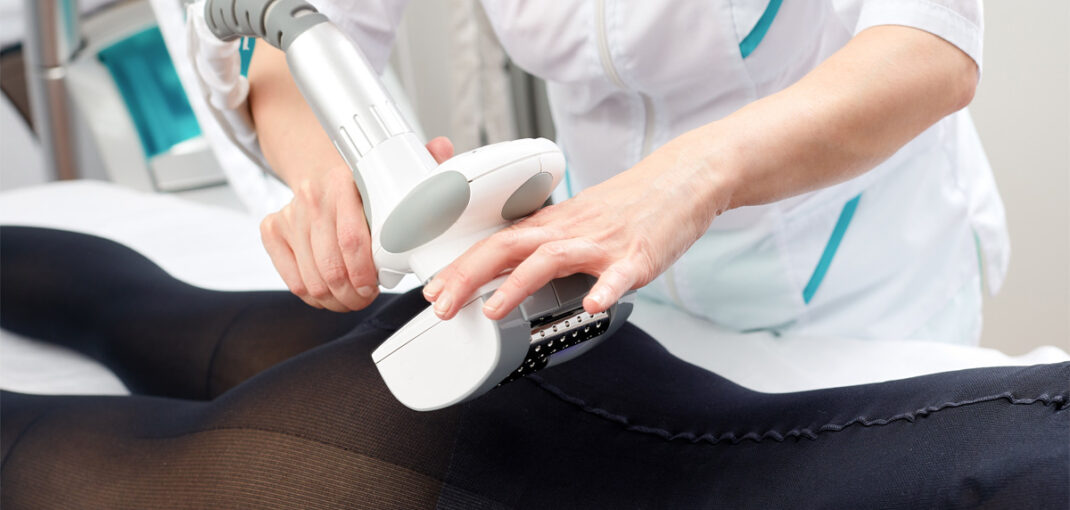
You sit comfortably while targeted stimulation activates pelvic muscles. Many people describe it as rhythmic muscle engagement rather than discomfort.
A typical plan includes multiple sessions spread over several weeks. Just like strengthening your arms or legs, consistency matters.
Comparing Conservative Therapy and Surgery
Surgery may be recommended in more advanced cases. However, it can involve:
Anesthesia
Recovery time
Potential complications
Higher cost
Conservative therapy focuses on rebuilding strength first. It aims to address the underlying muscle weakness rather than surgically altering anatomy.
For many individuals, strengthening the support system before considering invasive options makes sense.
Is Pelvic Floor Therapy Effective?
You might be asking whether this approach truly works long term.
Research consistently supports pelvic floor strengthening as a first-line urinary incontinence treatment. Results depend on factors such as severity, consistency, and overall health.
Key takeaway: Early intervention often produces better outcomes than waiting until symptoms worsen.
It’s not an instant fix. Muscle improvement requires time and repetition. But structured therapy provides guided, measurable progress.
Common Misunderstandings
Let’s clear up a few myths.
“Leaks are just part of aging.”
They’re common, but they’re not something you have to ignore.
“Exercises don’t work.”
They work when done correctly. Many people simply need guidance.
“It’s only for women.”
Men can also experience pelvic floor weakness.
“Surgery is the only permanent answer.”
Conservative treatment is often tried first.
Understanding your options puts you back in control.
Frequently Asked Questions
1. How long does it take to see improvement?
Many individuals notice changes within a few weeks, though full treatment plans often involve multiple sessions.
2. Is this considered a non invasive incontinence treatment?
Yes. It does not involve incisions or anesthesia.
3. Who qualifies for Emsella treatment?
Adults experiencing mild to moderate bladder symptoms who prefer a conservative approach may be candidates.
4. Does this replace pelvic floor therapy exercises?
It may complement traditional exercises, especially if you’ve struggled to perform them effectively.
5. Are results permanent?
Muscle strength can decline without maintenance, so periodic follow-up sessions may be recommended.
Understanding Your Options for Better Bladder Support
Bladder leaks can affect confidence, physical activity, and quality of life. The encouraging part is that conservative options exist.
Strengthening the muscles responsible for support may reduce symptoms without surgery or downtime.
If you’d like to explore how structured therapy works in more detail, you can review the comprehensive overview of Emsella treatment.
References
National Institute of Diabetes and Digestive and Kidney Diseases (NIDDK). Treatments for Bladder Control Problems. https://www.niddk.nih.gov/health-information/urologic-diseases/bladder-control-problems/treatment
Mayo Clinic. Kegel exercises: A how-to guide for women. https://www.mayoclinic.org/healthy-lifestyle/womens-health/in-depth/kegel-exercises/art-20045283
Disclaimer
This article is for educational purposes only and does not constitute medical advice. Individual results may vary. Always consult a licensed healthcare professional to determine the most appropriate treatment for your specific condition.