
What Is ExoMind Infusion Therapy and How Does It Work?
You might be wondering what exomind infusion therapy benefits actually mean and how this type of treatment works. With more people exploring non-invasive brain therapies for focus, mood balance, and cognitive wellness, it’s important to understand what you’re really looking at before making any decisions.
In this guide, you’ll learn what ExoMind infusion is, how the technology works, what happens during a session, possible side effects, and how it differs from traditional wellness infusions. If you’d like a broader look at how this therapy supports everyday mental performance, you can explore how brain stimulation may support daily mental clarity in this related article on enhancing daily cognitive performance.
Understanding ExoMind Infusion Therapy Benefits
When people search for exomind infusion therapy benefits, they’re usually trying to answer one key question: will this help improve mental clarity, focus, or emotional balance?
Here’s what you need to know.
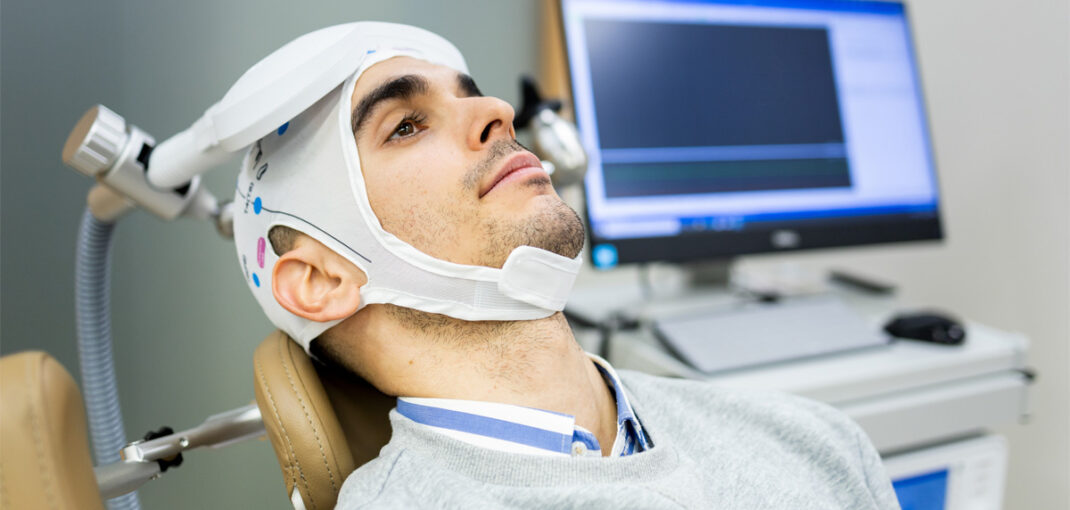
Despite the word “infusion,” this therapy is not a traditional IV drip. It does not involve intravenous delivery into the bloodstream. Instead, it uses non-invasive brain stimulation technology designed to influence neural pathways involved in emotional regulation and cognitive function.
That distinction matters.
Traditional wellness infusions often work systemically through nutrients delivered via IV. ExoMind works differently. It targets specific regions of the brain using controlled magnetic stimulation.
According to the Mayo Clinic, transcranial magnetic stimulation uses magnetic fields to stimulate nerve cells in targeted brain areas and is performed under clinical supervision. This works because magnetic pulses can influence neural signaling without surgery or sedation.
How Does ExoMind Therapy Work?
You might be wondering what actually happens during treatment.
Here’s a simplified breakdown.
Step 1: Evaluation
Before beginning, a screening process determines whether this therapy is appropriate for you. This may include reviewing your medical history and current health concerns.
Step 2: Session Setup
You remain fully awake and seated comfortably. There is no anesthesia involved.
Step 3: Targeted Magnetic Stimulation
A device delivers controlled magnetic pulses to specific areas of the brain associated with mood regulation and cognitive processing.
Step 4: Monitoring
Sessions are supervised to ensure comfort and safety.
The University of Rochester Medical Center explains that non-invasive brain stimulation therapies are administered in structured clinical settings and generally involve minimal downtime.
This approach is different from exomind IV therapy or traditional brain support infusions because it does not rely on systemic nutrient delivery. Instead, it works directly at the neural level.
What Makes It Different From Wellness Infusions?
There’s often confusion between cognitive infusion benefits and brain stimulation therapies.
The main difference is delivery method.
IV infusions enter the bloodstream and circulate throughout the body.
Brain stimulation therapies influence neural pathways directly.
If you’re researching broader non-invasive options for emotional and cognitive support, it may help to review this overview of modern mental wellness approaches to see how different therapies compare.
Understanding that distinction prevents unrealistic expectations and helps you make informed decisions.
Potential Cognitive Wellness Benefits
While results vary from person to person, commonly discussed benefits may include:
Improved focus and attention
Greater mental clarity
Enhanced emotional balance
Reduced brain fog
Better cognitive stamina
Key takeaway: This therapy is intended to support neural activity patterns, not to replace medical treatment for diagnosed psychiatric or neurological conditions.
This works because stimulating specific brain regions may help reinforce neural circuits linked to mood and executive function. However, outcomes depend on individual biology, session frequency, and lifestyle factors.
What to Expect During the First Few Weeks
Many people ask how quickly they’ll notice changes.
The reality is that improvements, if experienced, tend to build gradually across sessions rather than appearing instantly.
You may feel:
Light tapping sensations on the scalp
Mild temporary discomfort
Brief headaches
These are typically short-lived. Serious infusion therapy side effects are uncommon when therapy is properly administered and screened.
Consistency often plays a role in outcomes. Missing sessions or stopping early may reduce potential effectiveness.
Who May Consider This Therapy?
This approach may be explored by individuals experiencing:
Brain fog
Stress-related cognitive strain
Focus challenges
Emotional fluctuations
Mental fatigue
However, it may not be appropriate if you have certain implanted medical devices, seizure history, or specific neurological conditions. That’s why medical screening is essential.
You should always discuss your medical history openly before beginning any form of brain stimulation therapy.
Common Misunderstandings
Let’s clear up a few misconceptions.
Misunderstanding #1: It’s the same as an IV infusion.
It’s not. There is no intravenous delivery involved.
Misunderstanding #2: It guarantees immediate results.
No therapy can guarantee outcomes. Individual responses vary.
Misunderstanding #3: It replaces therapy or medical treatment.
It may complement a wellness plan, but it does not replace professional mental health care when needed.
Being informed helps you set realistic expectations.
Frequently Asked Questions
1. What is ExoMind infusion?
It refers to a non-invasive brain stimulation therapy designed to influence neural activity patterns associated with cognitive wellness.
2. Is it the same as exomind IV therapy?
No. Despite the wording, this therapy does not involve intravenous nutrient delivery.
3. How long does each session take?
Sessions typically last under an hour, depending on protocol.
4. Are there side effects?
Most side effects are mild and temporary, such as scalp sensitivity or mild headache.
5. Is this therapy FDA-approved?
Certain forms of transcranial magnetic stimulation are FDA-cleared for specific conditions. Always verify the exact device and indication with a qualified provider.
Learning More About Brain Stimulation Options
Understanding exomind infusion therapy benefits starts with understanding how non-invasive brain stimulation works. When you approach it with accurate information, you’re better equipped to decide whether it fits your cognitive wellness goals.
If you’d like to review how the therapy is structured and what the process involves, you can visit the detailed overview available on the ExoMind treatment page.
References
Mayo Clinic – Transcranial Magnetic Stimulation
https://www.mayoclinic.org/tests-procedures/transcranial-magnetic-stimulation/about/pac-20384625
University of Rochester Medical Center – Transcranial Magnetic Stimulation Therapy
https://www.urmc.rochester.edu/conditions-and-treatments/transcranial-magnetic-stimulation-therapy
Disclaimer
This content is for educational purposes only and does not constitute medical advice. Individual results vary. Always consult a licensed healthcare provider before starting any new therapy.